CLIMET

CLIMET is an NWO ENW-XL funded consortium comprised of researchers from the Netherlands Institute of Ecology (NIOO-KNAW), Utrecht University, and Radboud University.
Our team of microbiologists, ecologists, and paleogeologists will map the impact of organic carbon and lanthanides on the Arctic methane cycle, from the genes involved in microbial metabolism to the impact on methane emissions from Greenland’s lakes.
Warming in the Arctic is progressing at nearly four times the global mean rate, raising the potential for positive feedbacks through increased greenhouse gas emissions. Methane is a far more potent greenhouse gas than carbon dioxide and most methane globally is produced by microbes in lakes and wetlands. The relative activity of micro-organisms that produce methane (methanogens) and those that consume it (methanotrophs) is therefore critical in determining how much methane is emitted from aquatic ecosystems, yet these processes are often treated as a “black box” in climate models. Because microbial community interactions are complex and studies of Arctic microbiomes are sparse, there is a significant knowledge gap that impedes predictions of (changing) methane emissions, especially in Arctic regions where lake densities are high. The challenge is urgent and escalating because Arctic lakes are changing quickly due to the effects of warming and we currently do not know whether such changes will cause a problematic positive feedback loop where there is a net increase in methanogens and methane production, or whether methane production will be mitigated by stimulating methanotrophs.
CLIMET research questions
- Is the supply and availability of dissolved organic matter and/or dust driving the methane cycle in Arctic lakes?
- Is the lanthanide cycle a missing link in our understanding of Arctic lake methane cycling?
- How do the ongoing changes in Arctic landscapes associated with climate warming influence positive or negative feedbacks on lake methane production?
Kangerlussuaq living laboratory
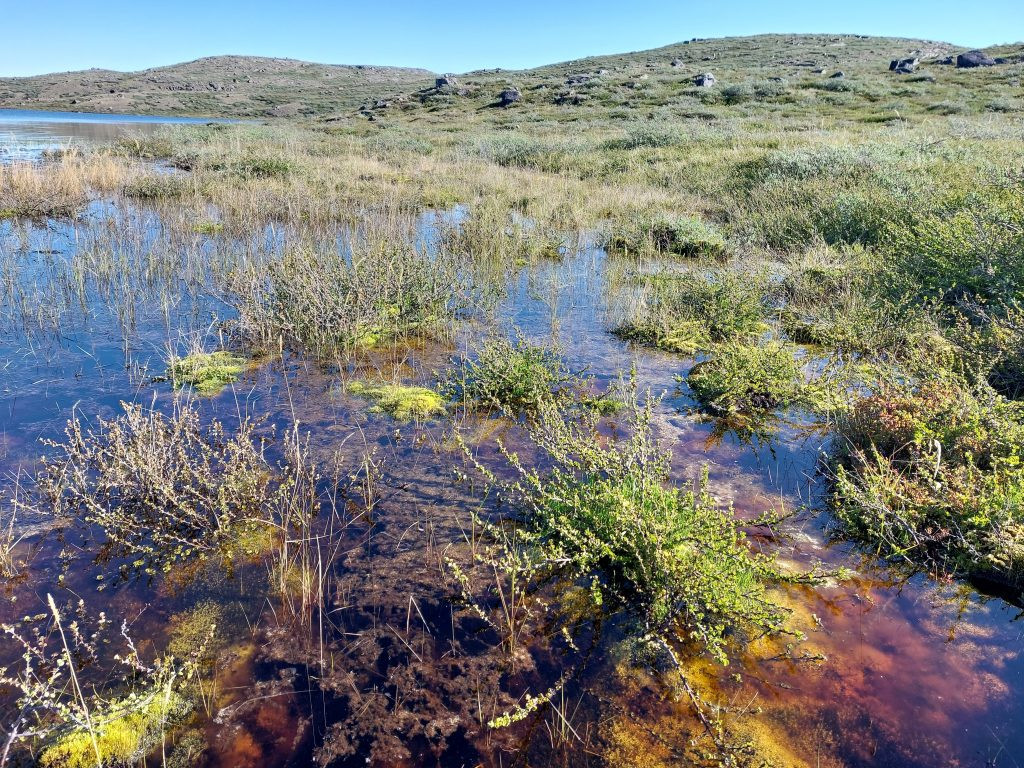
the area around Kangerlussuaq in South-west Greenland is an ideal living laboratory for lake CH4 studies. There are thousands of lakes in the area located adjacent, but hydrologically unconnected, to a major glacio-fluvial outwash plain which is a source of wind-borne dust. Dust deposition across this region has increased significantly in recent decades correlated with Greenland Ice Sheet discharge and there was a 20-year declining trend in lakewater dissolved organic carbon (DOC) concentrations (Saros et al 2019), which abruptly reversed in 2023 associated with a protracted rainfall anomaly (Saros et al 2025).
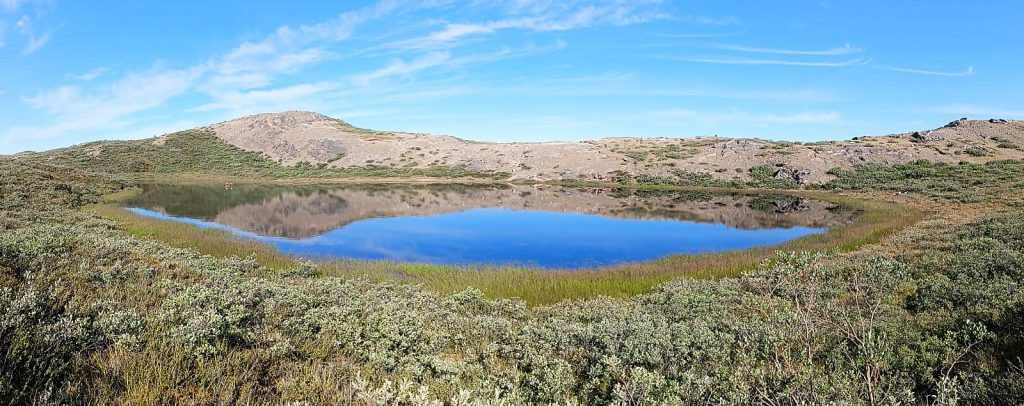
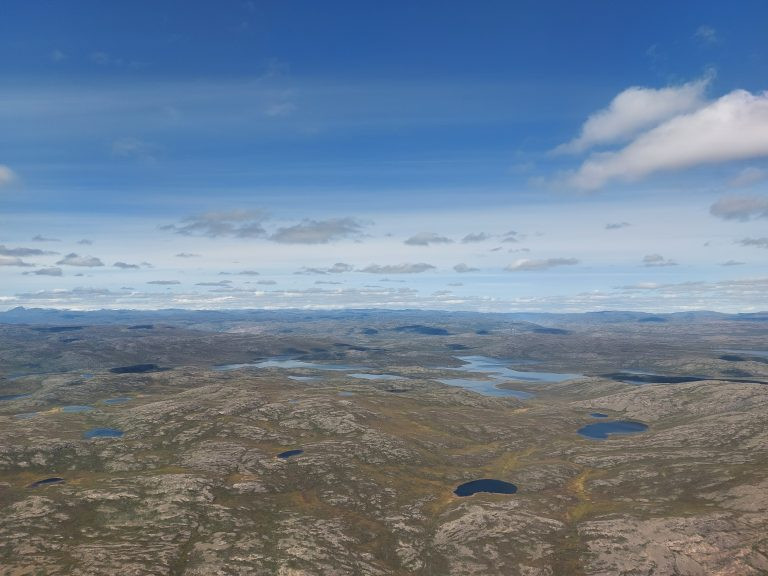
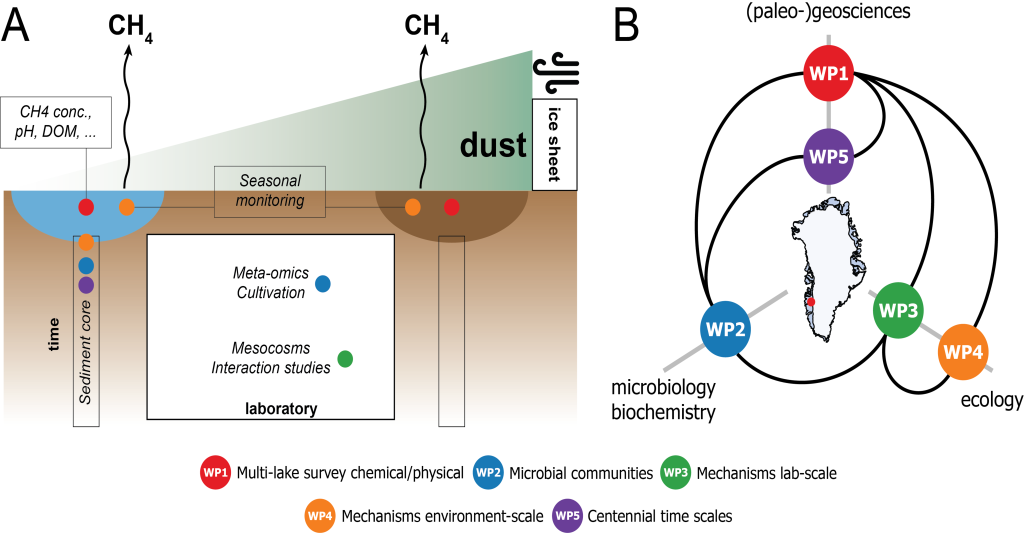
The research questions in CLIMET range in scale from molecular (genes, enzymes, metabolites) up to ecosystem scale, and consider lakes as part of an inter-connected landscape with variable fluxes of materials between land, atmosphere and water. The work plan therefore employs work packages (WP) that use methodologies and approaches from across microbiology (WPs 2, 3), microbial ecology (WPs 3, 4), lake ecosystem ecology and limnology (WPs 1, 4), earth and palaeo-sciences (WPs 1, 5).
Work package 1: Landscape-scale relationships among lake CH4 and environmental drivers
Aim: assessing the biogeochemical conditions across the Kangerlussuaq lake district and identifying key relationships with CH4 (cycling).
Work package 2: Key microorganisms and microbial metabolisms
Aim: characterizing lake microbial communities across the Kangerlussuaq lake district, identifying key microorganisms associated with CH4 cycling, and studying their microbial metabolic biodiversity.
Work package 3: Microbial community mechanisms and interactions
Aim: elucidating mechanisms underlying pelagic microbial CH4 consumption under varying dust/REE and DOM combinations
Work package 4: Field-scale mechanisms and interactions
Aim: determining how REE-dust-DOM treatments influence lake food webs and CH4 cycling at the ecosystem scale.
Work package 5: Long-term dynamics of lake DOM, dust and CH4 cycling
Aim: investigating long-term patterns and relationships between dust elements, DOM and microbial communities
Meet the CLIMET team
Prof. dr. Suzanne McGowan
Project lead, work package 1 lead
I am the lead of the CLIMET consortium and also for Work Package 1 which is investigating the limnology of the Kangerlussuaq lake district. We are looking at spatial patterns of lake methane cycling and how it co-varies with the physico-chemical and biological properties of the incredibly diverse water bodies in this region. I first started working in Kangerlussuaq in 1999 as a Marie Curie Research Fellow at the Geological Survey of Denmark and Greenland. Since then I have worked on Arctic projects funded by UKRI-NERC and EU-INTERACT with the central theme of investigating the impacts of environmental change on Arctic lakes, including nitrogen and carbon cycling. Since 2021 I have worked at the Netherlands Institute of Ecology (NIOO-KNAW) where I am Head of Aquatic Ecology and I am also a Special Professor in Aquatic Ecosystem Dynamics at the University of Utrecht. Prior to that I spent 16 years at the University of Nottingham in the UK and, for 3 years, in the Malaysia campus. Since my background has included Biology, Geography, Ecology and the Geosciences I very much enjoy working across disciplines and trying to understand different scientific approaches. The work on CLIMET spans spatial and temporal scales and I am looking forward to the challenge of piecing together the puzzle of lake Arctic methane cycling through this integrative lens. My favourite “must have” field item is coffee- made in a mini filter in the field- which has sustained me through many tough Greenlandic limnology hikes.
Dr. Robert Jansen
Work package 2 lead
My name is Robert Jansen and I have a background in biochemistry and metabolomics. Together with my group at Radboud University, I combine untargeted metabolomics with other omics and classical biochemistry to link metabolites to enzymes, genes and organisms. Currently, I work on non-model microorganisms of environmental and medical importance in projects on tuberculosis, the gut microbiome and environmental microbiomes and the molecules they produce in a diversity of environments on Earth. In CLIMET, I lead the workpackage that will explore microbiomes and metabolomes across Greenland lakes, and aims to biochemically characterize microbes and their enzymes. I am very excited to find out what surprises are lurking in Greenland microbes for us to discover!
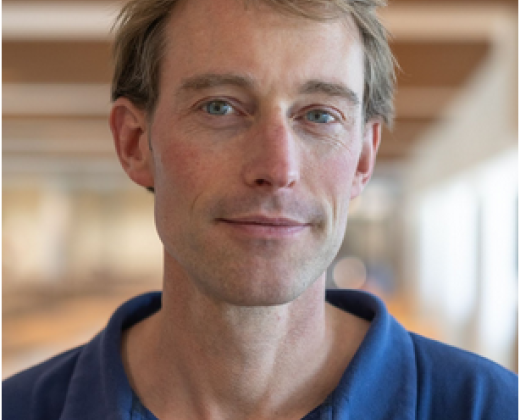
Dr. Paul Bodelier
Work package 3 lead
I am a senior scientist at The Netherlands Institute of Ecology (NIOO-KNAW) since 2008. After obtaining my PhD at the University of Nijmegen in 1997, focusing on nitrogen cycling in the rhizosphere of wetland plants, I expanded the scope of his work to methane cycling in rice paddies during a post-doc stay at the Max-Planck Institute for terrestrial Microbiology in Marburg, Germany (1997-199). The MPI period was followed by a post-doc position at the Centre for Limnology of the Netherlands Institute of Ecology in Nieuwersluis, which was continued in 2008 by a tenured position at the same Institute. The research in that period as well as the current research topics are reflected in my broad interest and perspective on ecology and interactions between microbes and their biotic and abiotic environment.
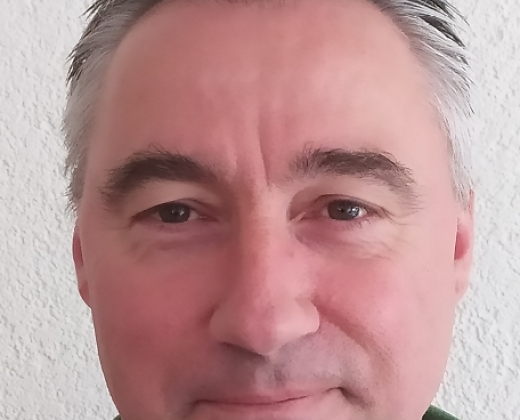
Dr. Annelies Veraart
Work package 4 lead
I am an aquatic ecologist, with a strong interest in the ecology of aquatic microbes. I study the impact of environmental stress on key ecosystem processes that are facilitated by microorganisms, such as methane removal and nitrogen cycling. In 2017, I undertook my first Arctic fieldwork, where I was deeply impressed by the extent of permafrost decay and the rate of methane bubbling to the surface. Since then, I have sampled ponds and lakes across the Arctic, to quantify methane emissions, and explore the diversity and activity of methane-munching microbes.
My recent research has shown the important role of nutrients, oxygen and warming, as drivers of greenhouse gas transformations. In the CLIMET project, I aim to bridge microbial, biogeochemical and ecological insights to better understand the variability in methane emissions from West-Greenland lakes. In my free time, I enjoy sea kayaking, and I hence gladly paddle the CLIMET team’s packraft during sampling explorations.
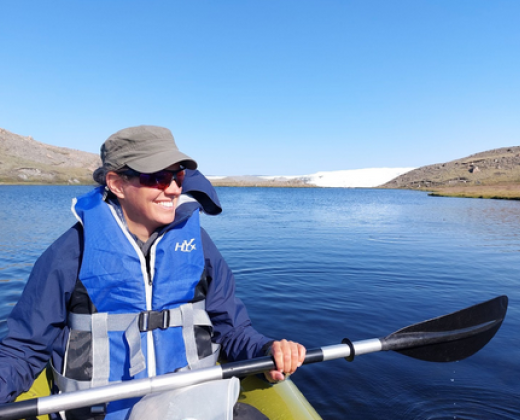
Prof. dr. Friederike Wagner-Cremer
Work package 5 lead
I’m a paleobotanist and paleoclimatologist focusing on the interactions between plants and climate. Tools used are microphenological proxies, where the adaptation of leaf epidermal cells is quantified and calibrated against meteorological data which then can be applied to fossil leaves to reconstruct growing season thermal properties.
Annual seasonality is significantly changing in the high latitudes which brought me to work in Northern Scandinavia 30 years ago and since nearly 10 years also to Greenland. Reconstructing growing season dynamics over the last Millennium from fossil leaf fragments preserved in lake and peat deposits gives us an idea on how fast and how intense vegetation responds to also minor temperature changes.
A few years ago we studied the effects of artificial warming on leaf morphology in open top chamber experiments from the CENPERM experimental site on Disko Island. The results show that even slight relaxation from the harsh climate improves growth. Now we will apply microphenology studies in the Kangerlussuaq study area which will contribute to the reconstruction of temporal vegetation dynamics and estimates of vegetation coverage in the past in WP5. There also all other vegetation proxies will be run on the lake sediment cores to be collected next summer!
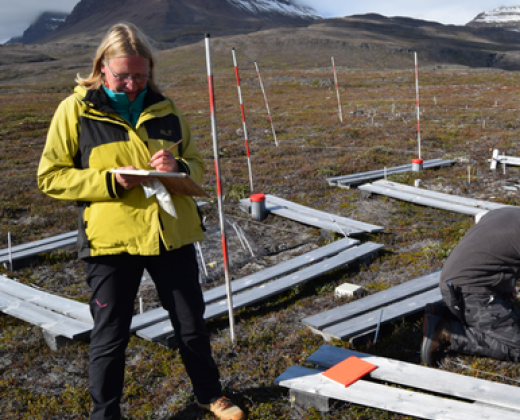
Dr. Fleur van Crimpen
Postdoc, work package 1
I have a background in Arctic coastal erosion and during my PhD, I studied the transport of terrestrial organic carbon along the Canadian Beaufort Sea. My work combined field campaigns and laboratory techniques, including hydrodynamic fractionation, to trace how carbon moves through coastal systems. This is the first time I will dip my toes in lake water (for science purposes) as I am now shifting my focus to lakes in Greenland. As a postdoctoral researcher in the CLIMET project I will be working with Suzanne on various lakes, drivers of methane and lake limnology. Beyond the die hard science, I care about meaningful community engagement and making science accessible for everyone
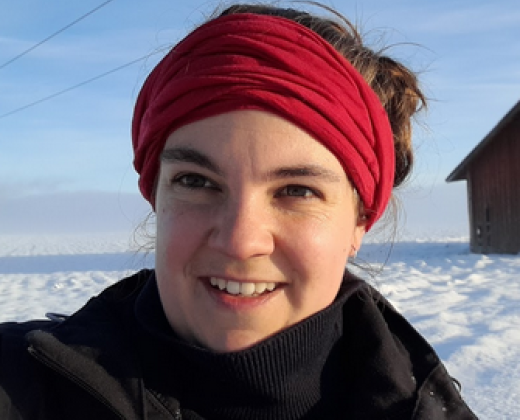
Dr. Tom Berben
Work package 2 co-lead; postdoc, work package 5
My name is Tom Berben and I am a microbiologist and bioinformatician. I am fascinated by the endless metabolic and physiological diversity of microorganisms, and the enormous impact they have on the world that we live in. My previous work includes the genomic analysis of antibiotics-producing Actinomycetes, as well as genomic and transcriptomic studies of thiocyanate metabolism in sulfur oxidizers from saline alkaline lakes. Recently, I have become intrigued by the role of rare earth elements in biochemistry, exploring this area by using the thermoacidiphilic methanotroph Methylacidiphilum fumariolicum SolV as a model organism. As a postdoc in the CLIMET consortium, I will contribute to the analysis of metagenomes and metatranscriptomes from our sampling sites in Western Greenland.
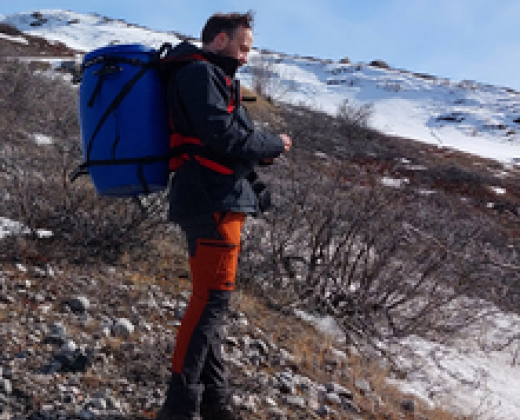
Noemí Segura-Solé
PhD candidate, work package 2
My name is Noemí Segura-Solé. My main research interests are methane-related microbes and the Arctic. I have previously studied microbial diversity and greenhouse gas dynamics in peatlands in northern Sweden, freshwater ecology in northeastern Spain, and the microbial physiology of Anaerobic Methane Oxidation in hydrothermal systems from the Arctic Mid-Ocean Ridge. I have spent a lot of time in northern Norway, which I consider my second home. I have just started my PhD in Methane Oxidizing Bacteria in Arctic lakes. I am thrilled to visit Greenland, where the lakes and nature feel so much like home! I enjoy learning, asking lots of questions, and observing nature and its processes.
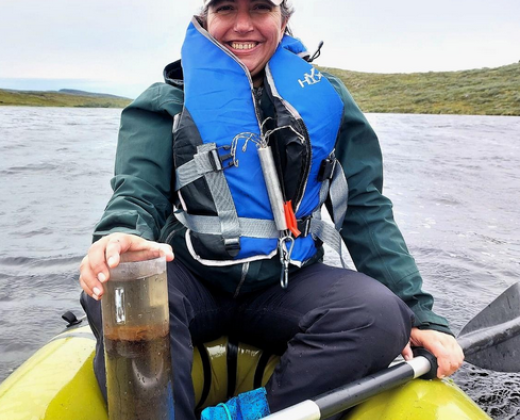
Dr. Ate Jaarsma
Postdoc, work package 3
My name is Ate Jaarsma, and I have a background in Arctic microbiology. During my PhD I visited the Greenland Ice Sheet twice to study its microbial diversity. I focused on the molecules produced by these microbes. I was interested in the role of these compounds in microbial ecology, but also their potential applications in biotechnology. As a postdoc in the CLIMET project, I study the microbial processes that drive methane consumption. I focus on the broader microbial community, how its members interact, and the influence of dust and organic matter on methane cycling in Greenlandic lakes. I’m excited to be part of a large, multidisciplinary team again and grateful for the opportunity to return to the field to study these unique microbes further. In my free time, I love being outdoors, hiking, cycling, or bouldering, and I enjoy photographing the landscapes and wildlife I encounter.
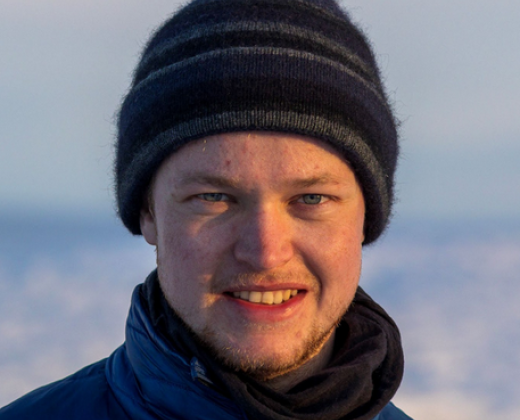
Erik Lindemann
PhD candidate, work package 3
I studied biochemistry, with an emphasis on molecular biology and microbial physiology. During and after my studies I came into contact with a variety of research fields from bioelectrochemistry to environmental engineering, among them a data analysis project on methanogenic and methanotrophic microbiomes in arctic permafrost. As a PhD candidate within CLIMET I am investigating biotic and abiotic influences on microbial methane oxidation in Greenlandic lakes, aiming to better understand the mechanisms and controls governing the ecology of methane-oxidising bacteria. I am happy and grateful to return to this topic, and I am looking forward to being a part of this highly multidisciplinary team and learning as much as I can.
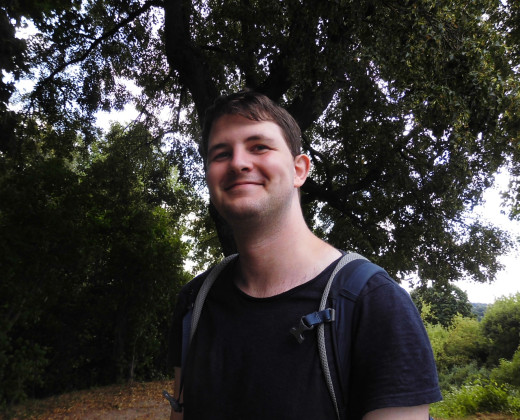
Dr. José Paranaiba
Postdoc, work package 4
I am (an aquatic ecologist) fascinated by water, in all its shapes, colors, moods, and uses. Wherever there is water, I find myself wondering: who lives there, who eats whom, how deep this is, and how ‘healthy’ is this ecosystem? For the past decade, I have been exploring the biogeochemical functioning of a wide range of aquatic environments, from large Amazonian hydroelectric reservoirs to fish ponds, drainage ditches, and temperate lakes. Along the way, I have been particularly interested in how environmental and anthropogenic stressors, such as warming, pollution, and land-use change, reshape carbon and nutrient cycling from local systems to global budgets.
At CLIMET, my curiosity has migrated north. As of 16th of March 2026, I will dedicate my time to unravel how environmental drivers like glacial dust inputs and organic matter gradients influence the seasonal dynamics of CH4 production, consumption, and emission in West Greenland lakes. To do so, together with a multidisciplinary team, we will combine all-season fieldwork (yes, including the cold parts) with in- and ex-situ micro- to mesocosm experiments, aiming to better understand how these vulnerable systems respond to a rapidly changing arctic environment.
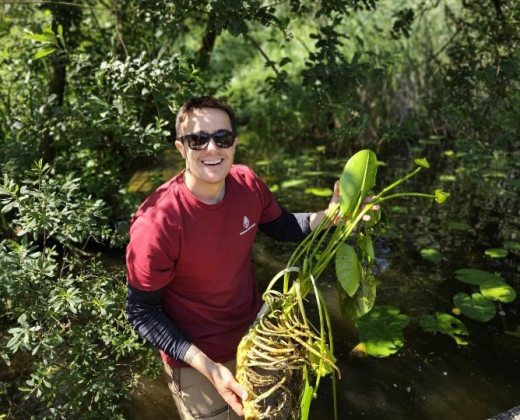
Romée van der Kuil
PhD candidate, work package 5
Hi all! My name is Romée, PhD-student for work package 5, and I have a background in paleoclimatology. I did my master studies in environmental biology, where I mainly focused on reconstructing the hydroclimate of Bonaire over the past ~1000 years using diatoms as a proxy. Apart from the ecology side of things, I use my skills in image recognition and deep learning to develop new methodologies for automatically quantifying microfossils such as diatoms and pollen from microscope slides.
For CLIMET I will be trading in the palm trees (or well, mostly cactuses) of the Caribbean for the rugged terrain of the arctic, focusing on the paleoclimate of the Kangerlussuaq area. I will be using my skills to develop a model for automatically quantifying Greenlandic pollen, and I will apply this model to reconstruct the vegetation in the area over the past ~1000 years, including periods such as the medieval climate optimum and the little ice age. Aside from that, I will be focusing on changes in the mineral and microbial composition over this same period. When not in the field or behind the microscope, you can usually find me running through the forests behind my house or reading a good book with my cat.
Students
Gwendolyn Thyen, MSc student, Radboud University
Yan Zhang, MSc student, NIOO-KNAW
Vidhi Goswami, MSc student, NIOO-KNAW
Daniël Horlings, MSc student, NIOO-KNAW
Meindert Schrijber, MSc student, Utrecht University (fieldwork support through Molengraaff Fund)
Beste Kodaz, MSc student, NIOO-KNAW
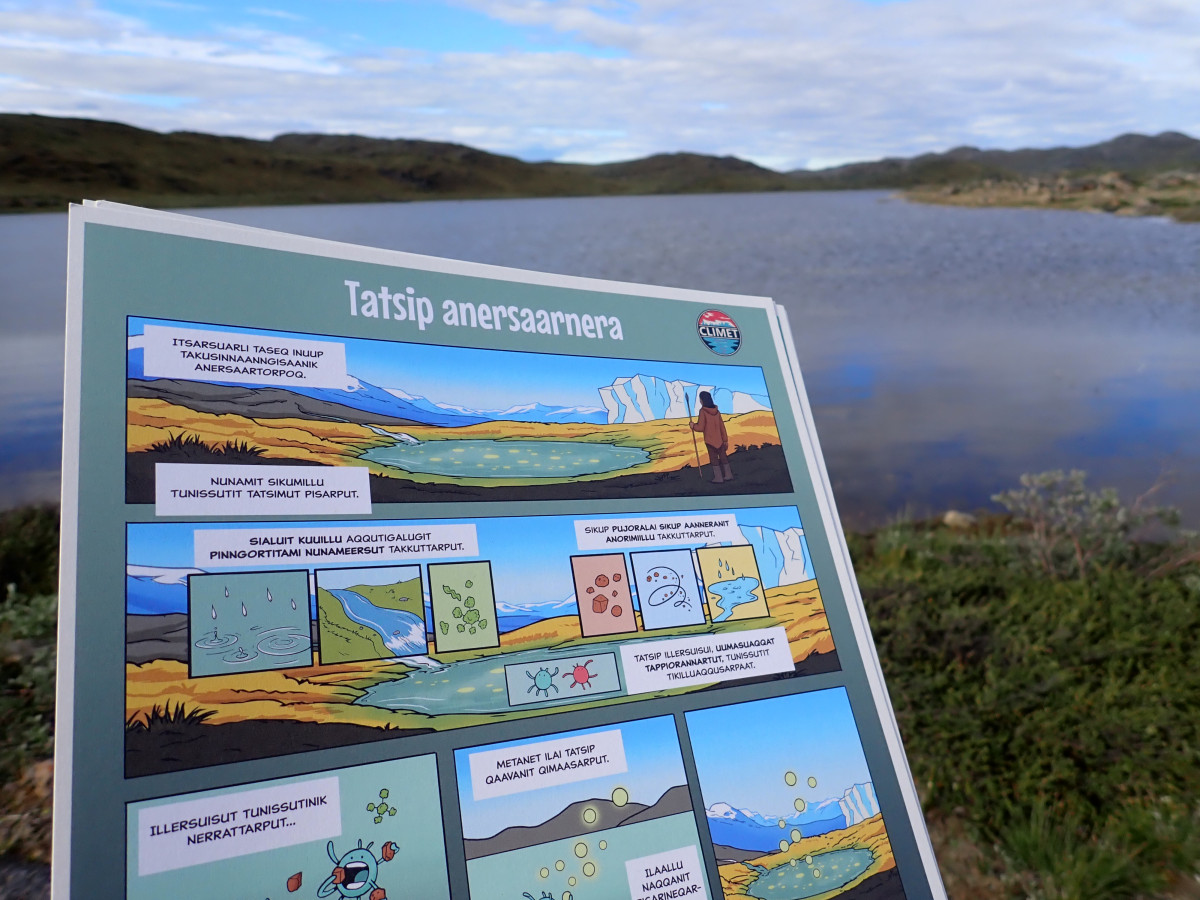
Breath of the lake
How does a lake "breathe" methane? We developed The Breath of the Lake, a comic that explains our project, its questions, and our hypotheses in an accessible way. Through this comic, we aim to reach a broad audience and share insights about the microbes driving methane emissions. It’s available in multiple languages, so check it out below! The production of the Breath of the Lake comic was done by Christian Rex, Deluxus Studio, and made possible with funding from the Royal Netherlands Academy of Arts and Sciences (KNAW) / Open Science NL.